
Federal Marijuana Rescheduling: What It Could Mean for the Cannabis Industry in 2025
Marijuana Rescheduling Law Updates
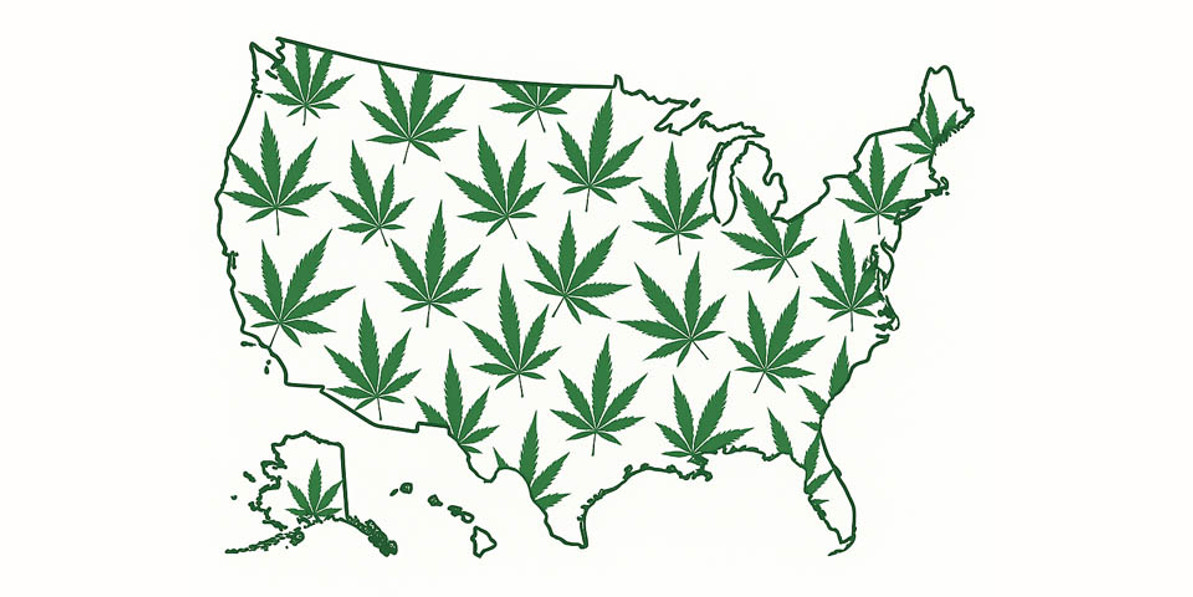
The conversation around federal marijuana rescheduling is heating up in Washington again. A proposal to move cannabis from Schedule I to Schedule III under the Controlled Substances Act could reshape the industry, medical research, and tax policy across the U.S.
Key Takeaways
- Federal marijuana rescheduling to Schedule III is under review in 2025.
- Could ease research barriers and remove IRS 280E limits on standard deductions.
- Banking restrictions likely remain without separate action.
- Industry effects: improved margins, more research, and broader legitimacy.
Why the Change Matters
Currently, marijuana is a Schedule I substance, a category reserved for drugs deemed to have “no accepted medical use” and a high potential for abuse. That status makes rigorous research difficult and keeps cannabis businesses under heavy federal tax pressure.
Reclassifying to Schedule III would acknowledge medical uses and a lower abuse potential. Practically, it would:
- Reduce barriers for scientific research at universities, hospitals, and private labs.
- Open clearer prescribing pathways for cannabis-derived therapies where federally lawful.
- Lift IRS 280E limits so businesses can deduct ordinary expenses.
Industry & Public Interest
Policy makers and industry leaders argue a shift to Schedule III could stimulate the legal market and better align federal policy with the many states that have legalized marijuana for medical or adult use. Advocates highlight potential gains in patient access, jobs, and economic growth.
No Final Decision Yet
The review is ongoing and no official decision has been made. Even with rescheduling, hurdles like banking access and payments would still require separate action.
What Could Change If Rescheduling Happens?
1) Tax Relief for Dispensaries and Growers
Under IRS 280E, cannabis businesses can’t deduct standard operating expenses. Schedule III status would end that limitation, improving margins and cash flow.
2) Expanded Medical Research
Approvals to study cannabis would be easier to obtain, accelerating development of evidence-based therapies.
3) Greater Public Acceptance
A federal downgrade could shift perceptions and encourage further policy modernization at state and local levels.
4) Regulatory Adjustments
The FDA and DEA would likely take on updated roles for quality, labeling, and distribution standards.
Final Thoughts
The potential federal rescheduling of marijuana in 2025 is a pivotal development. Whether it lands this year or later, it would mark a step toward aligning federal policy with state legalization and public opinion. Entrepreneurs, patients, and policymakers should watch closely.
II could ease taxes, expand research, and reshape the U.S. cannabis industry in 2025.
*These statements have not been evaluated by the United States Food and Drug Administration.
**The beliefs and opinions expressed in this blog are not those of Waterbeds 'n' Stuff.
Want more cannabis education, news, and product tips?
Subscribe to our newsletter or follow us on social media.
Explore More:
Recent Posts
-

Why Is Weed So Much More Expensive in Ohio Than Michigan?
Why Is Weed So Much More Expensive in Ohio Than Michigan? 2026 Price Comparison Published October …Oct 23, 2026 -

Is THCA Flower About to Become Illegal? November vs. December 2026 Explained
Last updated: October 20, 2026 THCA flower has become one of the most controversial products in the …Oct 21, 2026 -

Will Congress Save Hemp THC Before December 11, 2026? What Happens to Delta-8, THCA, CBD & THC Drinks
Updated October 19, 2026 The clock is ticking for America's hemp-derived THC industry. After years …Oct 20, 2026